Motorcycle rubber and plastic parts, as important components of motorcycles, are widely applied in main areas like body coverings、engine sealing accessories 、transmission buffer structures, and suspension shock absorption systems because of their great physical and chemical properties. The rubber and plastic components of motorcycles produced by Max Trading serve the basic functions of exterior decoration, structural protection, and component connection, also prominently improve the driving comfort, dynamic handling stability, and active safety performance of vehicles through precise material formulation and structural design.
Motorcycle rubber and plastic accessories mainly include motorcycle footrest pedals, motorcycle rear shock absorber bushings, motorcycle buffer rubber, motorcycle switch buttons, etc. Motorcycle rubber parts, with their excellent elasticity, effectively dissipate vibration and impact, achieve tight sealing protection, and provide reliable anti slip performance, building a multi-dimensional safety defense line for riding and improving driving comfort; Motorcycle plastic accessories are based on the advantages of lightweight and high plasticity, meeting diverse functional needs and significantly affecting the visual presentation, handling texture, and maintenance cost of the vehicle throughout its lifecycle.
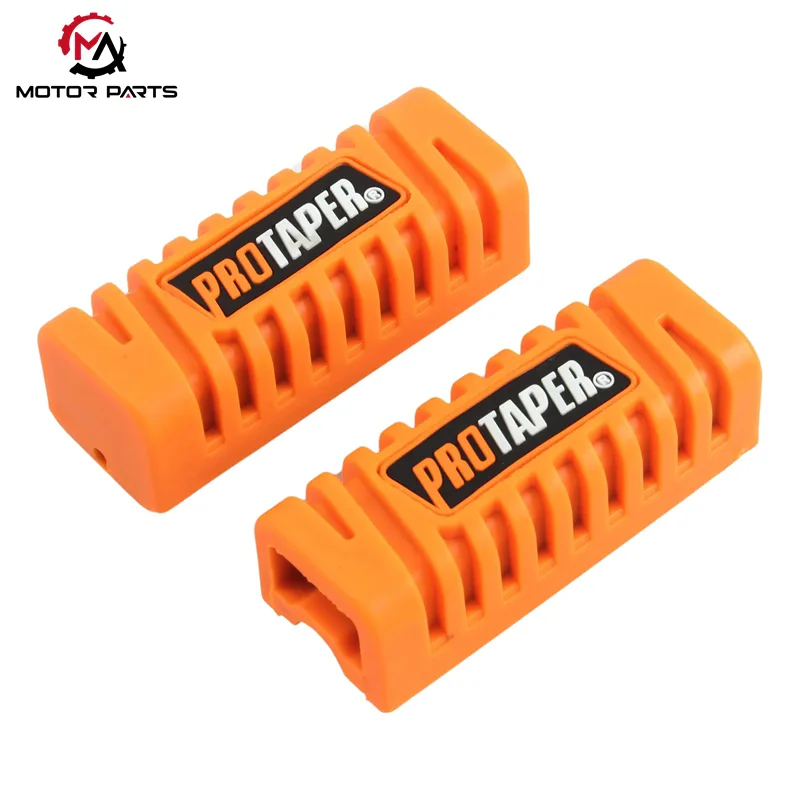
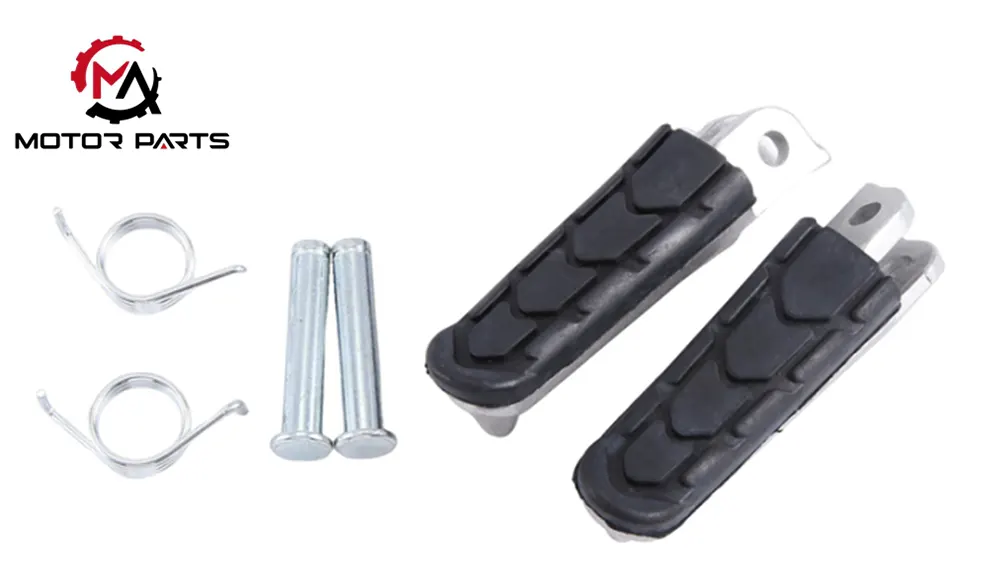
Motorcycle footrest pedal: Basic Support for Load Carrying and Safety
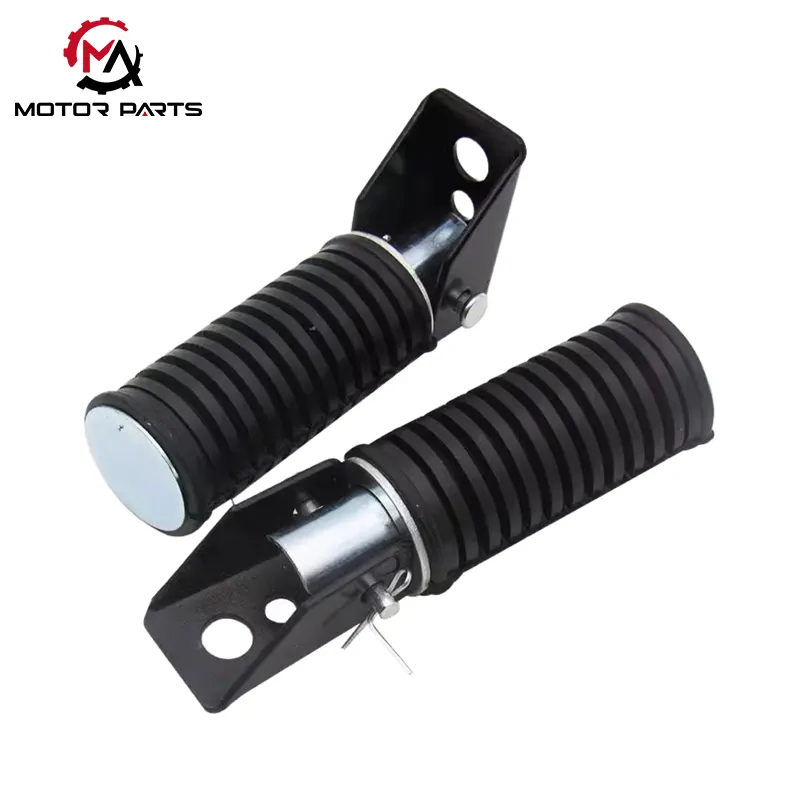
The footrest pedal of a motorcycle serves as a foot support component for passengers and riders, and its core function is mainly reflected in two key aspects: load-bearing stability and usage safety. From the perspective of structural design, the main body of the rear foot pedal is usually constructed by combining a metal bracket with a rubber anti slip pad. Among them, the anti slip pad made of rubber material significantly increases the friction between the foot and the foot pedal through a unique texture design. Even when encountering wet and slippery roads on rainy days or driving on bumpy roads, it can firmly fix the feet of passengers and cyclists, effectively avoiding the risk of foot slippage and providing a solid and reliable safety guarantee for the cycling process.
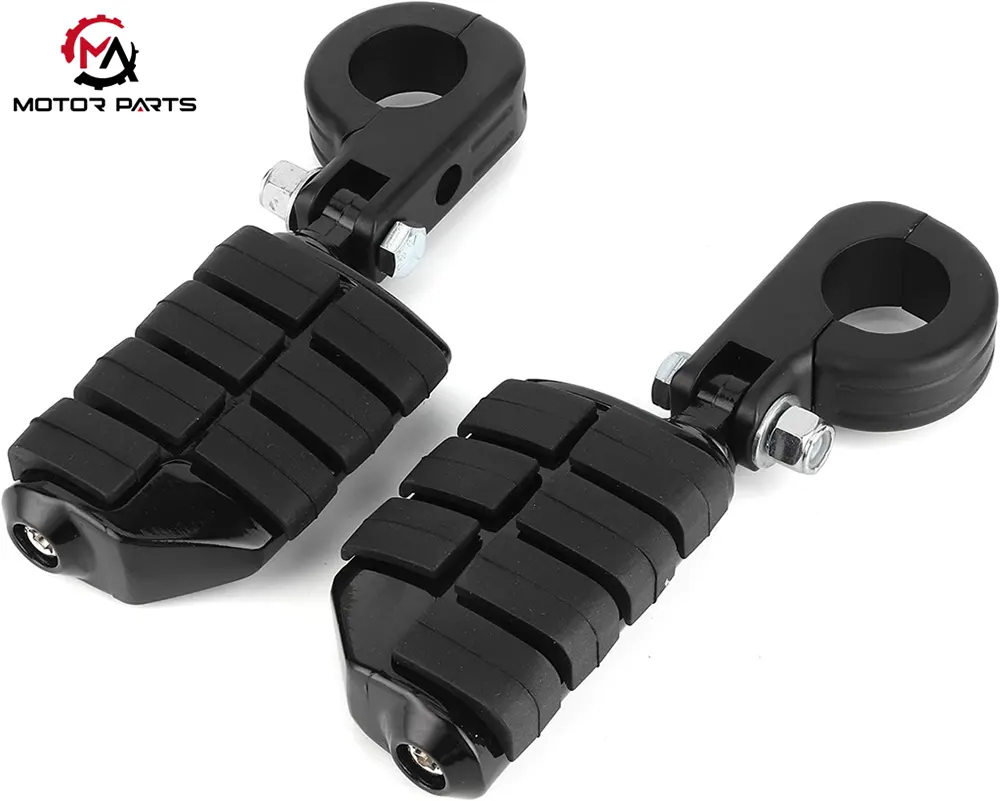
In practical use scenarios, the rear foot pedal needs to bear the weight of the human body, usually designed to bear no less than 150kg. The rubber anti slip pad on its surface not only effectively prevents foot slippage, but also has excellent cushioning performance, which can greatly weaken the transmission of road vibrations to the human body through the feet, significantly improving the comfort of long-term cycling. In addition, some models are equipped with folding function on the rear foot pedal, which can be folded and stored when idle, effectively decreasing the width of the vehicle and facilitating shuttle or parking on narrow roads. In this process, rubber components play a important role in averting direct collisions between metal brackets and the vehicle body, so then cutting down wear and noise.
Motorcycle rear shock absorber bushing: the "buffer adjuster" of the shock absorber system
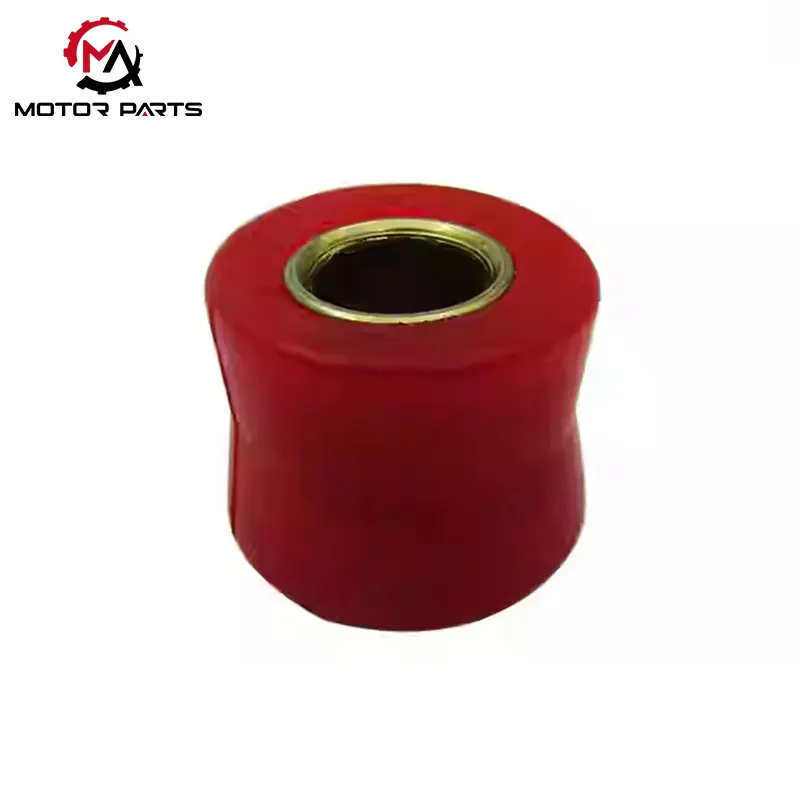
The rear shock absorber bushing is a key rubber component that connects the rear shock absorber with the frame and rocker arm, playing a dual protective role during vehicle operation: buffering the impact of the shock absorber during operation and reducing friction between metal parts. When the vehicle drives over bumpy roads, the rear shock absorber continually expands and contracts to absorb the impact force. At this time, the shock absorber bushing transforms the rigid connection between the shock absorber and the metal component into a flexible buffering structure through elastic deformation. This design not only effectively avoids wear caused by direct metal contact, but also dramatically decreases mechanical noise - actual test data shows that high quality bushings can reduce working noise by 15-20 decibels.
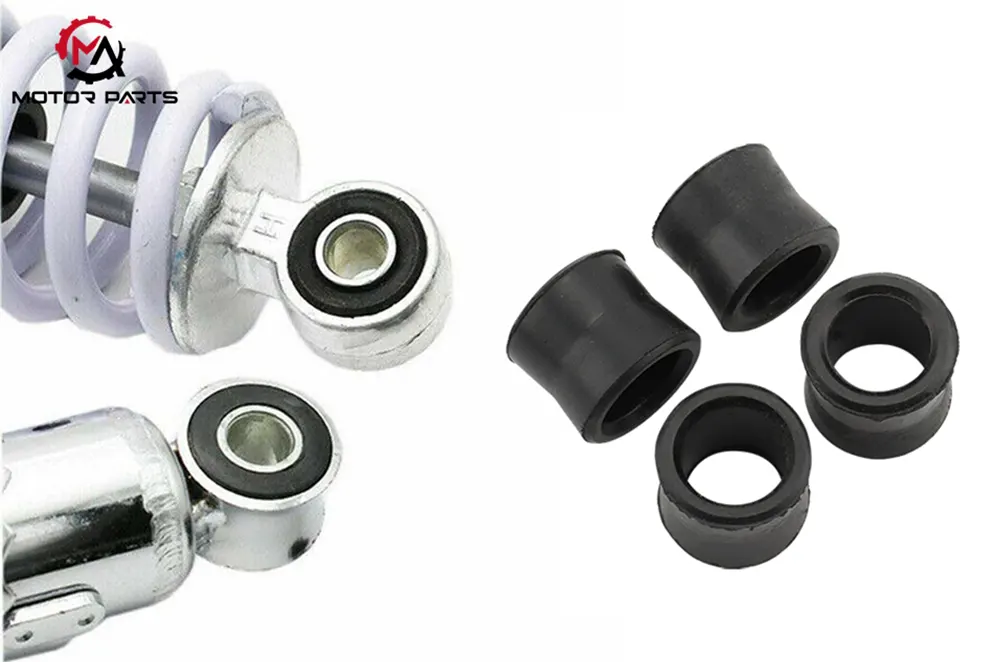
From the perspective of material performance, high-performance rear shock absorber bushings need to have both excellent aging resistance and compressive deformation resistance. Authoritative tests have shown that qualified bushings can control compression deformation within 10% after long-term use and maintain stable elasticity in the extreme temperature range of -30 ℃ to 80 ℃. If the bushing fails due to aging, it will directly cause the connection between the rear shock absorber and the frame to loosen, leading to problems such as body shaking and reduced shock absorption performance during driving. In more severe cases, it can accelerate the metal fatigue process of shock absorbers and frames, posing a prospective threat to driving safety.
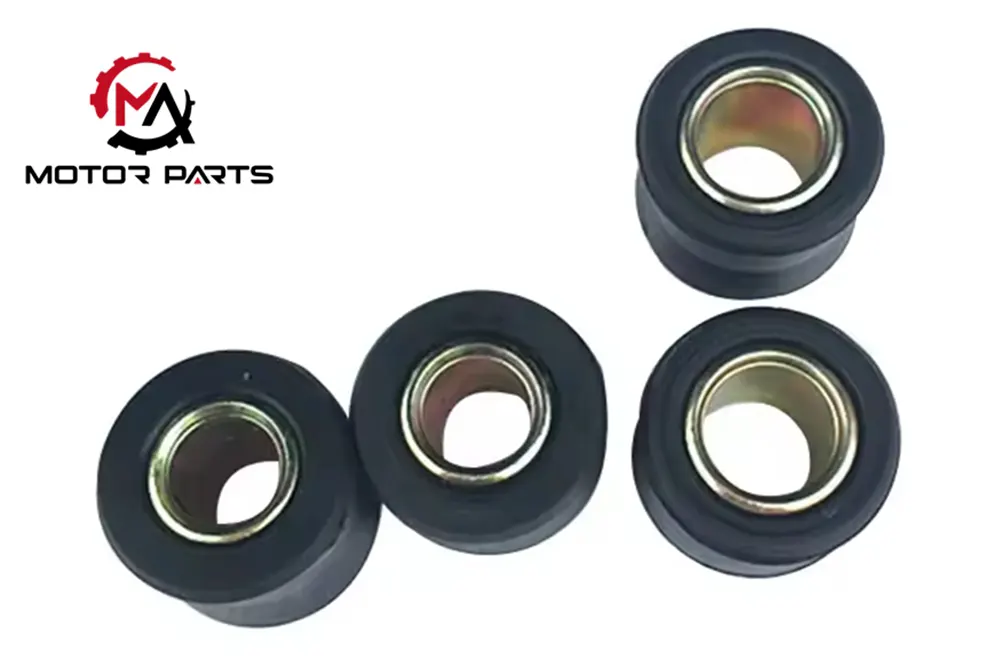
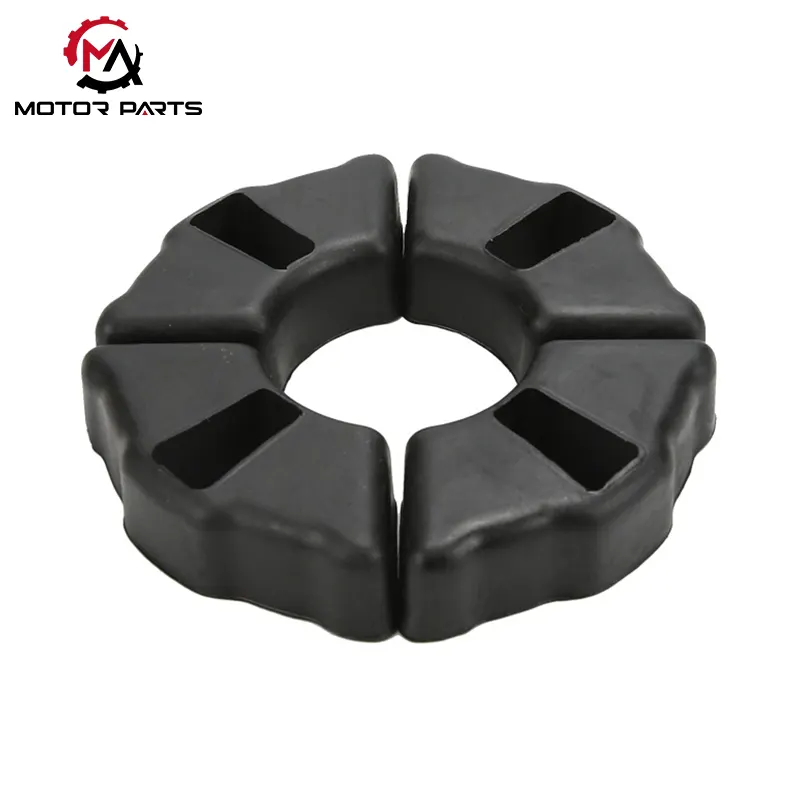
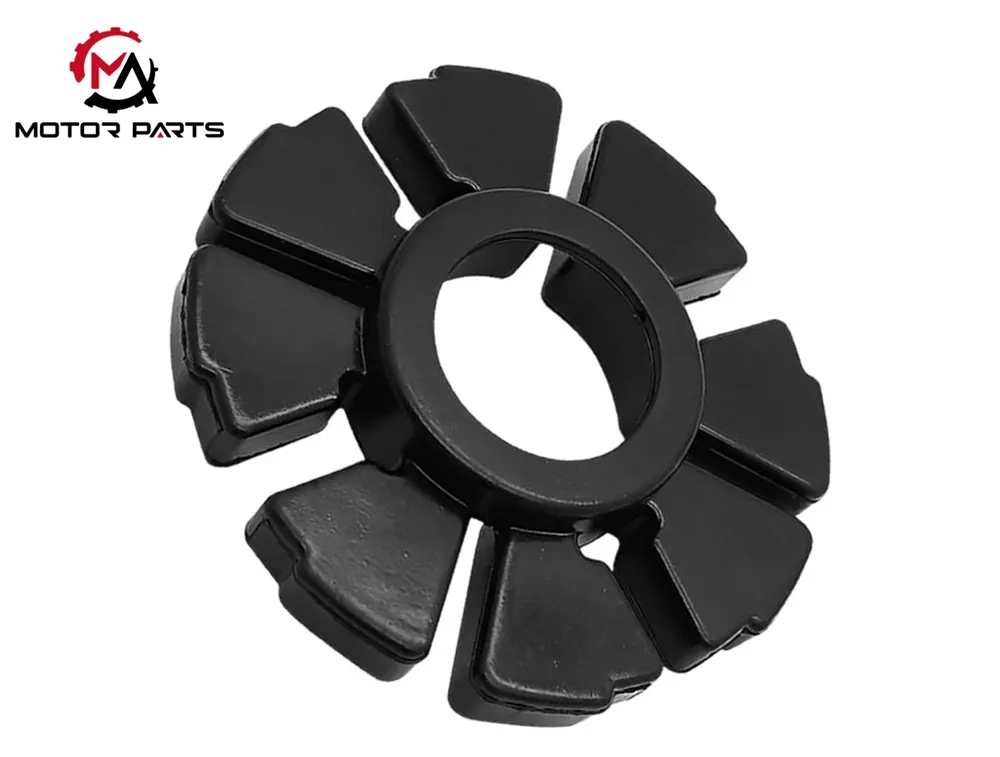
Motorcycle cush rubber: a "soft barrier" for power transmission and body protection
Motorcycle cush rubber is mainly used at the connection between the engine and the frame, the transmission system, and the contact between the body cover and the frame. Its core functions are reflected in three dimensions: vibration buffering, component protection, and dust-proof sealing.
During the process of power transmission, high-frequency vibrations generated by engine operation are easily transmitted to the frame and human body through rigid connections. Cush rubber, made of highly elastic polymer material, absorbs vibration energy through dynamic deformation. It not only effectively reduces the vibration sensation during riding and improves driving comfort, but also avoids metal fatigue wear caused by long-term resonance between the engine and frame.
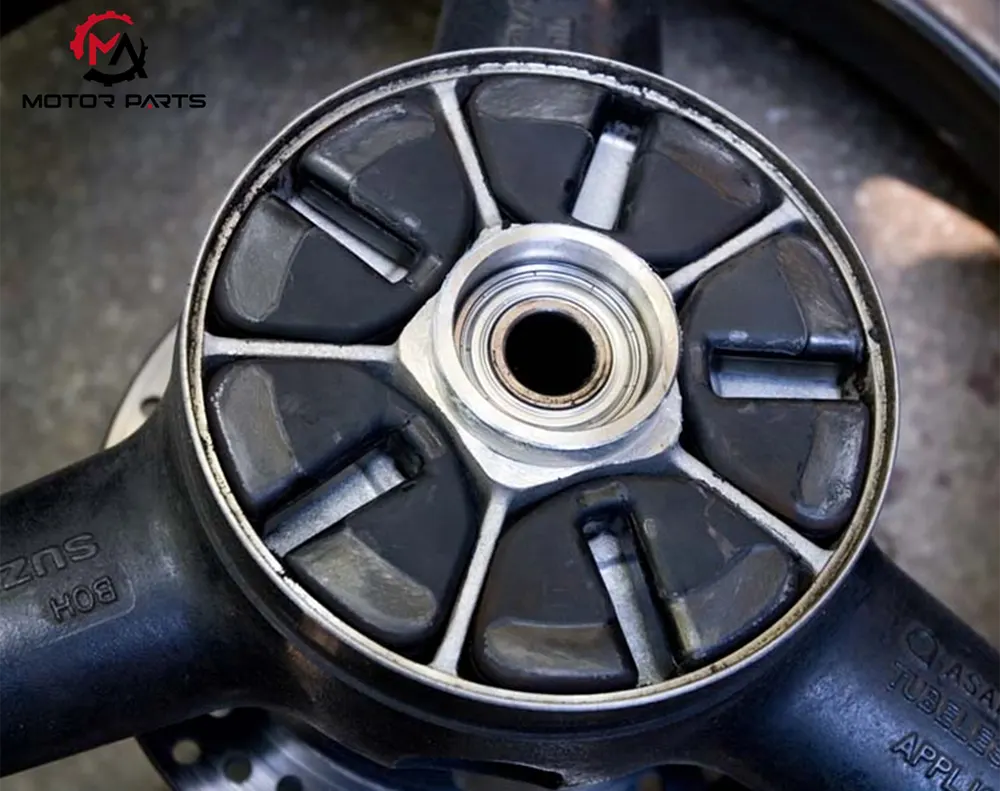
In terms of body protection, when the vehicle encounters bumpy roads or minor collisions, its elastic structure can cushion the impact force and prevent the body cover from directly coming into rigid contact with the frame. Taking the fuel tank as an example, the bottom buffer adhesive can prevent damage to the paint surface due to friction; The side panel cush rubber forms a buffer layer when the vehicle tilts, greatly reducing the risk of component breakage.
In addition, some of the buffer adhesive installed in the gaps of the vehicle body also has a sealing function. By closely adhering to the seams, dust and rainwater are effectively prevented from entering, creating a moisture-proof and anti-corrosion protective barrier for internal circuits and metal components, and extending the service life of key vehicle components.
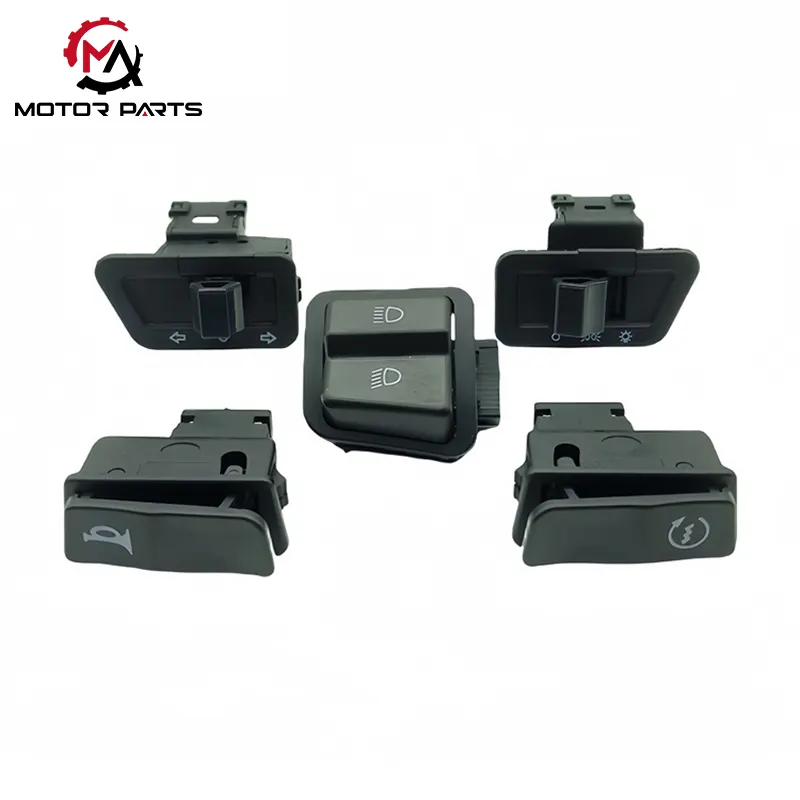
Motorcycle switch button: a precise interface for transmitting control commands
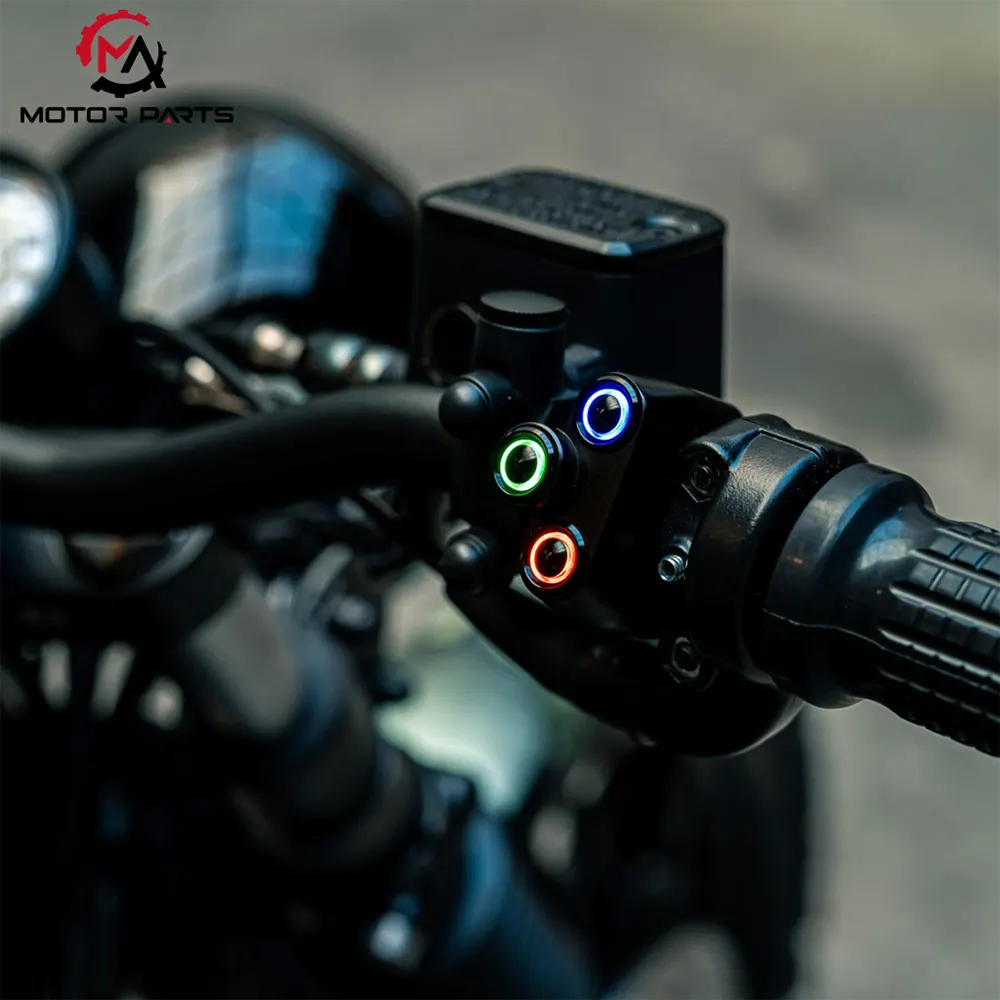
The motorcycle switch button, as a key component of human-computer interaction, is mainly made of plastic material and partially covered with rubber anti-skid layer on the surface. Its core function is to accurately respond to the rider's control instructions and ensure the stable operation of various systems of the vehicle.
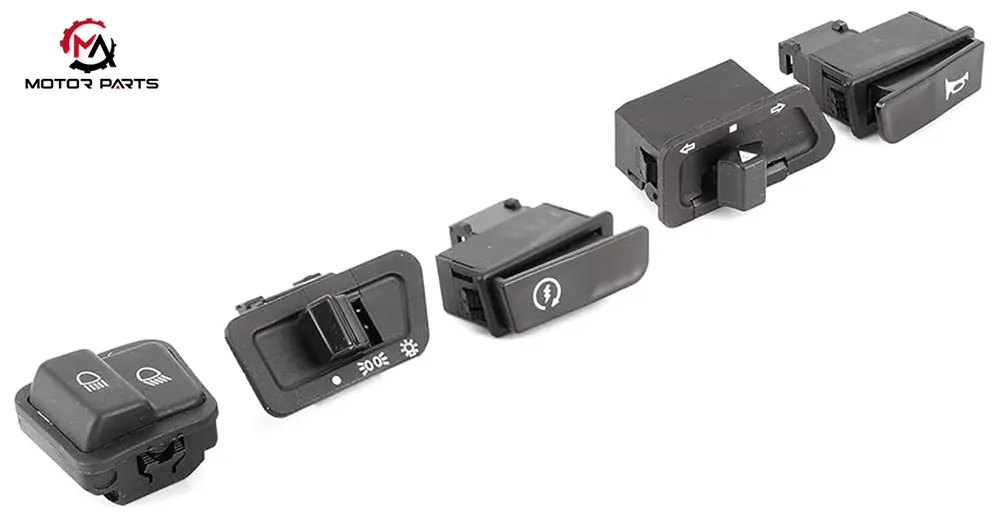
From a structural perspective, the switch button integrates metal contacts inside and the external plastic shell provides dual protection: on the one hand, it isolates dust and rainwater, avoiding contact oxidation or short circuit; On the other hand, through ergonomic optimization design, including precise button height, comfortable pressing stroke, and anti slip texture treatment, the convenience and comfort of handling are significantly improved, allowing riders to achieve fast and precise operation even during dynamic driving. The high sealing performance of the plastic shell can resist the invasion of harsh weather, fundamentally eliminating the risk of rainwater infiltration causing circuit failures and ensuring the reliability of the brake light system.
In high-end motorcycle models, the plastic material of the switch button is often added with flame retardants. This innovative design greatly improves the high temperature resistance and fire resistance level. Even if there is abnormal heating in the circuit, it can effectively prevent the switch from catching fire and build a solid defense line for vehicle safety.
In daily cycling maintenance, it is necessary to regularly conduct detailed inspections of rubber and plastic parts: the rubber parts should focus on whether the sealing ring has cracked and whether the tires have abnormal wear; For plastic parts, it is necessary to check whether the fairing is cracked and whether the protective plate is loose, to ensure that all components function properly and ensure riding safety.